Black licorice first, always.
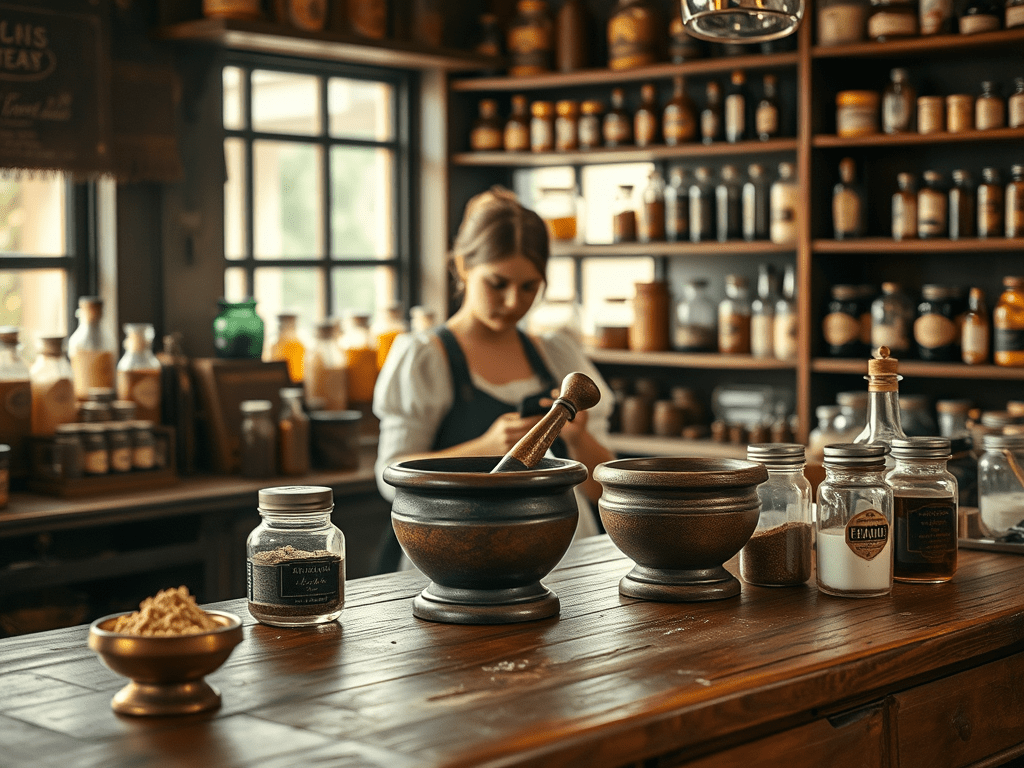
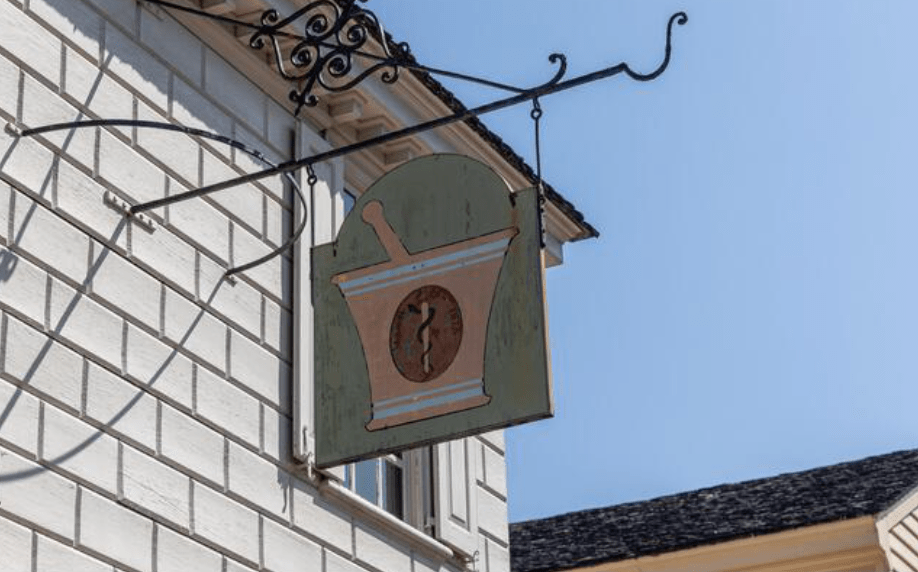
Whenever I walk into a general store, the first thing I hunt for is black licorice. Back in colonial apothecaries, they had little twig-like sticks that tasted like licorice when you chewed them. Those were usually licorice root brought over from Europe. But here in America, colonists fell in love with sassafras, a native tree with a sweet, root-beer-like flavor. And honestly? Just saying the word “sassafras” makes me giggle.

Licorice Root
Sassafrass. A Mood Remedy
Ironically, sassafras (Sassafras albidum) was also a colonial “mood remedy.” People brewed it into teas, tonics, and even early beers, believing it could cleanse the blood, lift melancholy or “low spirits,” increase vitality, and protect against illnesses—especially syphilis, which was a major concern at the time. Indigenous peoples, including the Cherokee, Delaware, and Choctaw, used sassafras roots and bark as medicine for fevers, rheumatism, and skin ailments, but also for “cheering the spirit” and as a spring tonic to restore energy after winter. With the onset of fall, I feel like I need to stock up on some sassafras magic of my own.
Like most Type A personalities, I struggle with seasonal mood swings, especially once summer starts to fade. I’m lucky to spend my summers by the beach and my winters in my hometown, but that doesn’t stop the “blues magoos” from creeping in as my 73-degree days vanish. While everyone else is already pouring pumpkin lattes on the first cool day in August—yes, August—I do everything I can to cling to warm weather and keep my perennial plants alive.
When it finally comes time to pack up the beach towels and say goodbye to summer, I start to feel the shift. It hits fast. Like most people, I begin to organize—closets, drawers, even major redecorating. Then, I go big and make lists. A lot of lists. Sometimes these lists take up three pages in a legal-size pad, a brain dump so massive I feel like the only way to conquer it is to throw on my Doc Martens and climb to the top. The shift gets stronger and stronger, and by October it’s in full force. I describe it as trying to push a 1,000-pound boulder across the room—for no real reward. I have to find other ways to keep myself going. It isn’t until November that it eases, only because I throw myself into holiday prep. I wait patiently for the first hint of spring, and when it comes, I feel reborn.
A Safe Space
In the summers, I spend the last part of every evening sitting in what I call my “nest.” It’s a small, slightly rickety deck right outside my bedroom door with a big, comfy chair. My nest is full of plants—tropical ones, herbs like parsley, lavender, and even citronella, which I pick and stick between my toes to keep mosquitoes at bay. Recently, I added lights, candles, a large Buddha statue, and, of course, lots of color in the form of chimes, flower pots, and small statues scattered throughout.


The Nest
All of this, combined with the warm evening air, gives me a sense of comfort and safety. But it’s really tending to the plants that fills my soul. They’re like friends who absorb my feelings without judgment and seem to genuinely enjoy the care I give them. I know they appreciate me—I can feel it and see it. They show it by staying in bloom, producing another beautiful flower, or sending an aromatic scent my way.
Of course, sometimes I can’t outpace the blazing summer sun or I forget to water them, and they make it very clear that I’m slipping up. They wilt, turn brown, and almost scowl at me the next time I try to enjoy them. I swear my Italian basil plant sneers at me the way my Italian mother would when I use pre-cut garlic in Sunday gravy. That’s their way of reminding me that if I sit idly and don’t care for them, they will wither away and die.
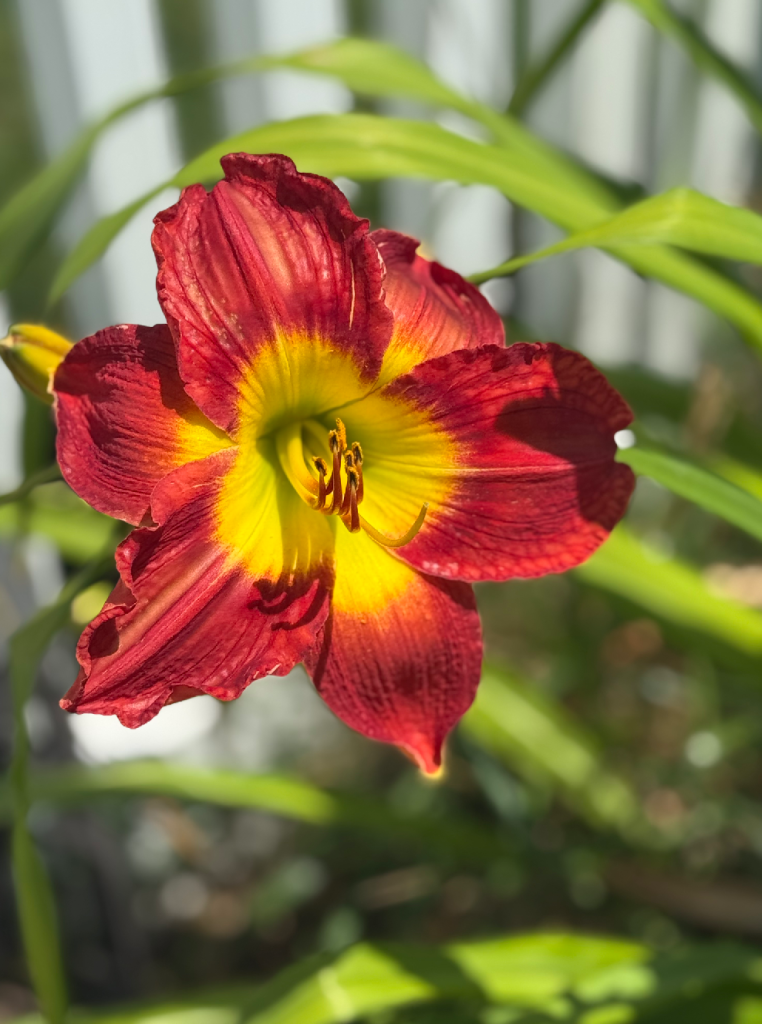
Witnessing this has become my savior for seasonal depression. These resilient, life-like beings are a reminder that I, too, am resilient and alive. In their fragility, they can make it through rough times, which means I can, too. I have seen a flower looking as dead as a doornail in the morning, but with some shade and water, it comes back in full bloom, its colors as bright as the sun by evening. Even after the harshest neglect, with just a little water and a hug from me, they bounce back—sometimes even stronger than before. I am reminded to keep going. Nothing is forever, and this feeling is just a season.
Sassafrass Survival Mode
This year, I’m going to grow sassafras. Native to North America, it thrives with the right space and a little patience. It’s beautiful, aromatic, and historically valued as both medicine and flavoring—and it will bring me joy. Sassafras is slow and steady, not an instant-gratification plant. Like pushing that 1,000-pound boulder, it will take time to see real results. I may not be able to taste it (or cure syphilis) just yet, but watching it grow will lift my spirits. I’ll tend to it, care for it, and remind it to keep going—and return—helping me get through the harshest of times. After all, sassafras can live for a hundred years if left undisturbed—a root-y, leafy reminder that resilience is real… and that maybe, just maybe, I can survive the early August pumpkin madness (seriously, try growing one first).
*All links to websites are personal loves of the author.